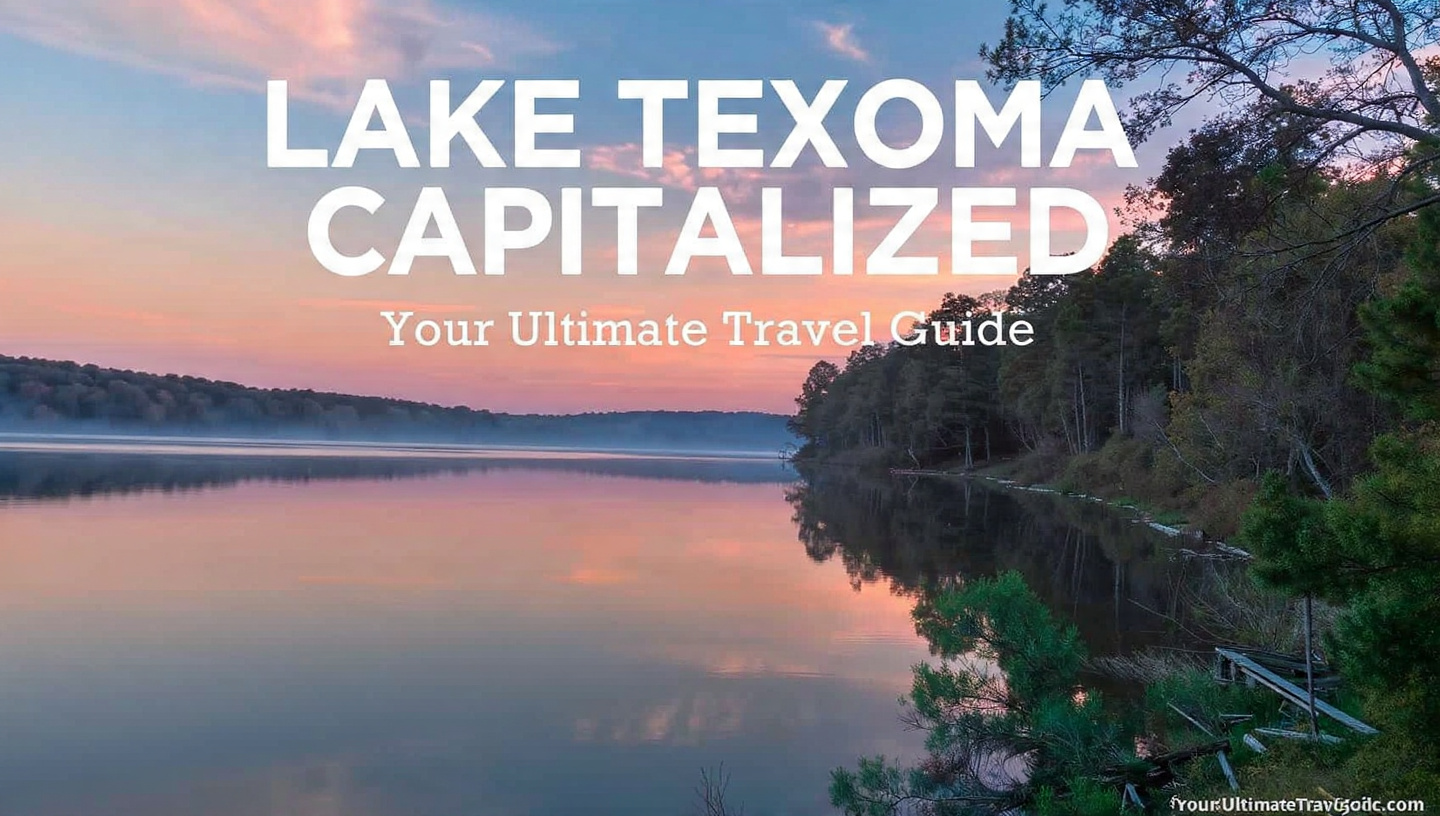
Lake Texoma is one of the most beautiful and popular recreation destinations in the United States. But if you’re writing about this stunning body of water, there’s one thing you need to know: lake texoma should be capitalized. Because it’s a proper noun, the name of a specific place, proper English grammar and style rules dictate that you write it as Lake Texoma every time. In this guide, we’ll explore everything you need to know about Lake Texoma—its history, geography, recreation, wildlife, communities, travel tips, and more—so you can truly understand why this amazing destination deserves respect in both writing and experience.
From learning how Lake Texoma was formed to discovering nearby cities, state parks, fish species, boating tips, vacation ideas, and local culture, this article brings you a full user-focused guide. You’ll learn how to make the most of your trip, where to stay, what to eat, and how to care for the environment while visiting. Whether you’re planning your first trip or returning to a familiar favorite, Lake Texoma’s story is fascinating, and the grammar rule behind its name is simple: Lake Texoma should be capitalized.
Understanding the Name: Why Lake Texoma Should Be Capitalized
One of the most common questions people ask when writing about this body of water is whether lake texoma should be capitalized. The answer is a clear yes. Because it refers to a specific geographic location, the rules of standard English capitalization require that each major word be capitalized: Lake Texoma. This aligns with how we treat other bodies of water, such as Lake Michigan, Lake Tahoe, or Lake Superior.
Capitalizing geographical names helps maintain clarity and professionalism in your writing. Whether you’re drafting a school project, travel blog, or news article, writing Lake Texoma correctly ensures you are following proper language rules. When names are written in lowercase, readers might interpret them as general terms rather than official names. For instance, “lake texoma” in lowercase could be confused with any lake in Texas or Oklahoma, whereas “Lake Texoma” unmistakably identifies the reservoir that straddles the border of those two states.
For writers who want to improve their grammar and style, remembering that Lake Texoma should be capitalized is a simple but valuable tip. It reflects respect for the place itself as well as for your audience, and it supports clear, polished communication in all types of written content.
The Geological Formation of Lake Texoma
Lake Texoma is not a natural lake in the sense that millions of years formed it. Rather, it is a reservoir created by human engineering. The U.S. Army Corps of Engineers constructed the Denison Dam on the Red River in the early 1940s, creating one of the largest reservoirs in the United States at the time. This artificial lake filled the valley upstream of the dam, giving birth to what we now proudly call Lake Texoma.
Understanding the geological formation deepens appreciation for the lake. The Red River Basin, once a wide floodplain with periodic flooding, was transformed into a stable body of water that now serves many purposes. The construction involved altering land features, redirecting water flow, and making long-term commitments to flood control and water management. Today, Lake Texoma’s shoreline stretches over hundreds of miles, dotted with rocky bluffs, wooded coves, and sandy beaches.
Because Lake Texoma should be capitalized as a proper noun, writers often emphasize both its human origin and its iconic presence in the landscape. People come to see the result of engineering blended with nature’s beauty: a thriving habitat, recreation hub, and source of local pride. The lake’s formation story reminds us that even man-made places can become beloved natural attractions when cared for responsibly.
Geography and Location: Where Lake Texoma Sits
Lake Texoma sits on the border of two U.S. states: Texas and Oklahoma. The lake’s name itself reflects this shared geography—Texoma is a combination of “Texas” and “Oklahoma.” The reservoir’s vast expanse lies mainly within Grayson County in Texas and Bryan County in Oklahoma, though parts touch other nearby jurisdictions as well.
The lake’s location makes it accessible from major cities like Dallas-Fort Worth to the south and Oklahoma City to the northwest. Many visitors enjoy weekend trips, making Lake Texoma a convenient outdoor getaway. The shoreline includes public parks, private resorts, marinas, and natural areas where people can fish, boat, hike, and camp. The topography around the lake includes wooded hills, grassy plains, and gently sloping beaches that make each side of the shoreline unique.
Because Lake Texoma should be capitalized as a name, it behaves like other major geographic features in grammar and mapping. When planning travel routes or writing about the lake’s setting, positioning it on maps with capital letters reinforces its identity. From Houston to Tulsa, travelers recognize Lake Texoma as a major destination in the American South Central region.
History of the Region Surrounding Lake Texoma
The region around Lake Texoma has a rich history long before the water covered the land. Native American tribes, including the Wichita and Caddo, inhabited this area for centuries, living off the buffalo herds and river resources. When European settlers arrived in the 19th century, the Red River became a critical transportation and trade route.
With the construction of Denison Dam in 1944, the landscape changed dramatically. The dam was part of a larger effort to control flooding, improve water supply, and generate hydroelectric power. This initiative brought new settlement opportunities and economic development. Towns like Denison, Sherman, and Durant grew as support communities for the lake’s construction and future recreation development.
When considering how to write about the area’s past, remember Lake Texoma should be capitalized even when discussing its history. This reinforces the lake’s specific identity as a landmark. Whether describing Indigenous history, early settlers, or modern tourism, integrating proper grammar with cultural respect enriches the reader’s experience.
Climate and Best Seasons to Visit Lake Texoma
Lake Texoma experiences a temperate climate with four distinct seasons. Summers are warm to hot, making water activities like swimming, boating, and fishing especially popular. Spring and fall offer milder temperatures and beautiful scenery as the trees change colors or bloom with new life. Winters are generally cool, with occasional frosts and quiet lakeside landscapes that provide peace and solitude.
Choosing when to visit depends on your interests. For anglers chasing striped bass and largemouth bass, spring and fall are superb because fish are more active. Families often prefer summer when school is out and water recreation is at its peak. Fall brings less crowding, cooler air, and opportunities for birdwatching as migratory species pass through the region.
Throughout all seasons, just remember that Lake Texoma should be capitalized in your travel plans, journaling, or social posts. Capitalizing this proper name shows you understand both the place and how to communicate respectfully about it. Whether you’re packing for a summer vacation or planning a quiet winter trip, the seasons at Lake Texoma offer something for everyone.
Top Recreational Activities at Lake Texoma
Lake Texoma is widely known for its vast variety of recreational activities. With over 89,000 acres of water, the lake offers ample space for boating, water skiing, jet skiing, kayaking, and paddleboarding. Many visitors enjoy renting boats from local marinas to explore hidden coves or spend days cruising with family and friends.
Fishing is arguably one of the lake’s biggest draws. Lake Texoma is famous for its excellent striped bass fishery, attracting anglers from across the region. Other common catches include largemouth bass, catfish, crappie, and walleye. Whether you’re a beginner with a rod and reel or a seasoned pro with a tournament boat, the lake offers fishing experiences for all skill levels.
On land, hiking, biking, and camping are also popular. Many parks and campgrounds offer scenic trails, picnic areas, and serene spots to watch sunsets over the water. And as always, write Lake Texoma with proper capitalization in guides, blogs, or reviews so readers know exactly where to find these incredible recreation opportunities.
Wildlife and Natural Habitat Around Lake Texoma
Lake Texoma and its surrounding landscape support a rich variety of wildlife. The lake’s waters and shoreline habitats provide homes for birds, fish, mammals, and reptiles. Birdwatchers often spot herons, egrets, bald eagles, and migratory waterfowl in the area, especially during spring and fall migrations. The diverse plant life around the lake adds to the ecosystem’s health, offering food and shelter for many creatures.
In the water, fish populations thrive thanks to deliberate conservation and habitat management efforts. The mixing of cool and warm water in Lake Texoma creates favorable conditions for species like striped bass, a favorite among anglers. Mammals such as deer, raccoons, and foxes inhabit the wooded areas near the shoreline, while reptiles like turtles and water snakes are common in warmer months.
As you explore nature around this beautiful destination, remember that Lake Texoma should be capitalized in any descriptions of wildlife reports, nature blogs, tourism guides, or educational materials. Doing so keeps your writing consistent and professional, reflecting the same care and respect that conservation efforts show for the lake’s habitat.
Best Fishing Spots on Lake Texoma
Anglers from near and far come to Lake Texoma because it is one of the best fishing lakes in the Central United States. Some of the most productive fishing zones include the areas near Denison Dam, the river channels, and rocky points where fish gather. These locations often hold strong populations of striped bass, which thrive in the lake’s unique water conditions.
Another excellent fishing area is near creek mouths and submerged structures, which offer shelter and food sources for fish. Using depth finders and local fishing reports can help you identify the best spots on any given day. In addition to striped bass, Lake Texoma produces largemouth bass, catfish, and crappie, giving anglers various techniques and tackle options to explore.
As you plan your fishing adventure, always refer to Lake Texoma with proper capitalization. In fishing guides, tournament information, or personal logs, this keeps your content clear and accurate. Whether you’re targeting record catches or enjoying a peaceful day on the water, Lake Texoma’s fishing spots offer rewarding experiences for every angler.
Camping and Accommodations Near Lake Texoma
Lake Texoma provides a wide range of accommodation options for visitors, from rustic campgrounds to cozy cabins and lakeside resorts. Many parks managed by state and local authorities offer campsites with water access, picnic areas, and restrooms. These locations are perfect for families, groups of friends, or anyone who loves sleeping under the stars with gentle lake breezes.
For those who prefer more comfort, private campgrounds and rental cabins offer amenities like full bathrooms, kitchens, and Wi-Fi. Lakeside resorts provide even more luxury with access to restaurants, pools, and organized activities. Whether you choose tents, RV hookups, or lodge-style rooms, there’s a lodging style to match your travel preferences.
When discussing places to stay, make sure you write Lake Texoma correctly as a proper noun. Accurate capitalization helps visitors easily identify accommodations in search results, travel guides, or personal plans. From budget-friendly sites to upscale lodges, the variety of places to stay around Lake Texoma makes it an ideal vacation destination year-round.
Boating and Water Safety on Lake Texoma
Boating is one of the most popular activities at Lake Texoma, but it’s important to prioritize safety. Before heading out, check weather conditions and water levels, ensure your boat is in good working order, and equip it with life jackets for everyone aboard. The lake can have changing winds and currents, so understanding how to read the water helps prevent accidents.
Life jackets should always be worn, especially by children or inexperienced swimmers. In addition, familiarize yourself with boating regulations and speed zones around marinas and parks. Operating a boat responsibly protects you, your passengers, and other lake users, creating a fun and safe experience for all.
When writing about boating tips, remember that Lake Texoma should be capitalized in any safety guides, blog posts, or boating reviews. Clear, professional language helps readers take the advice seriously and ensures accurate communication about where these safety practices apply.
Dining and Cuisine Around Lake Texoma
Lake Texoma’s surrounding towns and communities offer an array of dining options that reflect local flavor and Southern hospitality. Whether you’re craving classic barbecue, fresh fish, Tex-Mex, or homestyle comfort food, there’s something to satisfy every palate. Many restaurants take pride in serving local catches, including fish from the lake itself.
For a laid-back meal after a day of recreation, lakeside diners and cafes provide scenic views alongside hearty meals. Food trucks and seasonal vendors often appear near popular parks and beaches during peak seasons, adding even more variety to your options. Don’t miss the chance to try local specialties that showcase the region’s culinary traditions.
In dining guides and travel reviews, always write Lake Texoma with correct capitalization. This ensures your readers know exactly where to find the best eateries, whether they’re planning a family trip or a solo adventure. Pairing great food with Lake Texoma’s natural beauty creates lasting vacation memories.
Nearby Cities and Attractions Worth Visiting
The area around Lake Texoma includes several charming towns and attractions that enhance your trip. Denison and Sherman in Texas, as well as Durant and Kingston in Oklahoma, provide shopping, museums, cultural events, and historic sites. These communities offer a blend of small-town friendliness and interesting activities for all ages.
Museums near the lake cover local history, art, and notable figures from the region. Outdoor attractions include state parks, wildlife refuges, botanical gardens, and nature trails that extend your adventure beyond the water. Seasonal festivals and events bring communities together, celebrating heritage, music, food, and family fun.
When recommending places to visit, make sure you refer to Lake Texoma with proper capitalization. This helps create clear, helpful travel content for people planning comprehensive trips that combine water activities with land-based explorations.
Travel Tips: Planning Your Lake Texoma Trip
Planning a successful Lake Texoma vacation starts with setting clear goals: Do you want relaxation, fishing, boating, or outdoor exploration? Once you know your priorities, choose accommodations suited to your group size and budget. Booking early, especially during peak summer months, helps secure the best campsites or lakeside cabins.
Packing essentials include sunscreen, insect repellent, water bottles, appropriate clothing, and safety gear for water activities. If you’re fishing, bring suitable rods, tackle, and licenses. Always check local regulations and weather forecasts before departure so you can make adjustments as needed.
In itineraries and travel guides, always use correct grammar by writing Lake Texoma with capitalization. This enhances clarity and ensures your plans are easy to read and follow. Thoughtful preparation leads to smoother travel days and a more enjoyable overall experience.
Environmental Conservation and Lake Texoma
Lake Texoma’s natural beauty depends on ongoing conservation efforts. Protecting water quality, preserving fish habitats, and reducing pollution are essential for future generations. Visitors can help by disposing of trash responsibly, using eco-friendly products, and respecting wildlife.
Local organizations and authorities often host clean-up events, educational programs, and conservation initiatives. Participating in these efforts supports the lake’s ecosystem and fosters community pride. By learning about environmental stewardship, visitors and residents alike contribute to sustaining Lake Texoma’s remarkable environment.
In educational materials and community outreach, remember that Lake Texoma should be capitalized. Proper naming shows respect for the place and aligns with professional communication about environmental issues.
Seasonal Events and Festivals at Lake Texoma
Lake Texoma hosts a variety of seasonal events and festivals that bring people together in celebration. Summer concerts, fishing tournaments, holiday parades, and craft fairs attract visitors from nearby cities and beyond. These events highlight local culture, music, food, and outdoor lifestyle.
Participating in community gatherings enhances your trip and gives you a chance to meet local residents. Whether it’s a beachside concert at sunset or a family-friendly fishing derby, seasonal festivities add fun and excitement to your Lake Texoma experience.
When writing event calendars or promotional guides, use Lake Texoma with capital letters. This ensures consistent, accurate communication about where and when these exciting events take place.
Conclusion
Lake Texoma is a remarkable destination that blends natural beauty, recreation, wildlife, and regional culture. Whether you’re a first‑time visitor or a seasoned traveler, understanding why Lake Texoma should be capitalized is just the beginning of appreciating everything this amazing place offers. From boating and fishing to dining and local events, the lake’s charm and energy inspire memorable experiences. By using the proper name and exploring with respect, you honor the history and future of one of America’s treasured lakes.
Frequently Asked Questions About Lake Texoma
Why should Lake Texoma be capitalized?
Because it is the official name of a specific place, following English grammar rules for proper nouns.
What is Lake Texoma known for?
It is known for boating, excellent fishing (especially striped bass), camping, and scenic natural beauty.
When is the best time to visit Lake Texoma?
Spring and fall are best for fishing and mild weather, while summer is popular for water recreation.
Do I need a fishing license at Lake Texoma?
Yes, fishing licenses are required according to state regulations in Texas and Oklahoma.
Can I rent boats at Lake Texoma?
Yes, multiple marinas and rental services offer boats, jet skis, and other watercraft.
Stay informed and ahead—visit TopHillSport Com for the latest sports news.