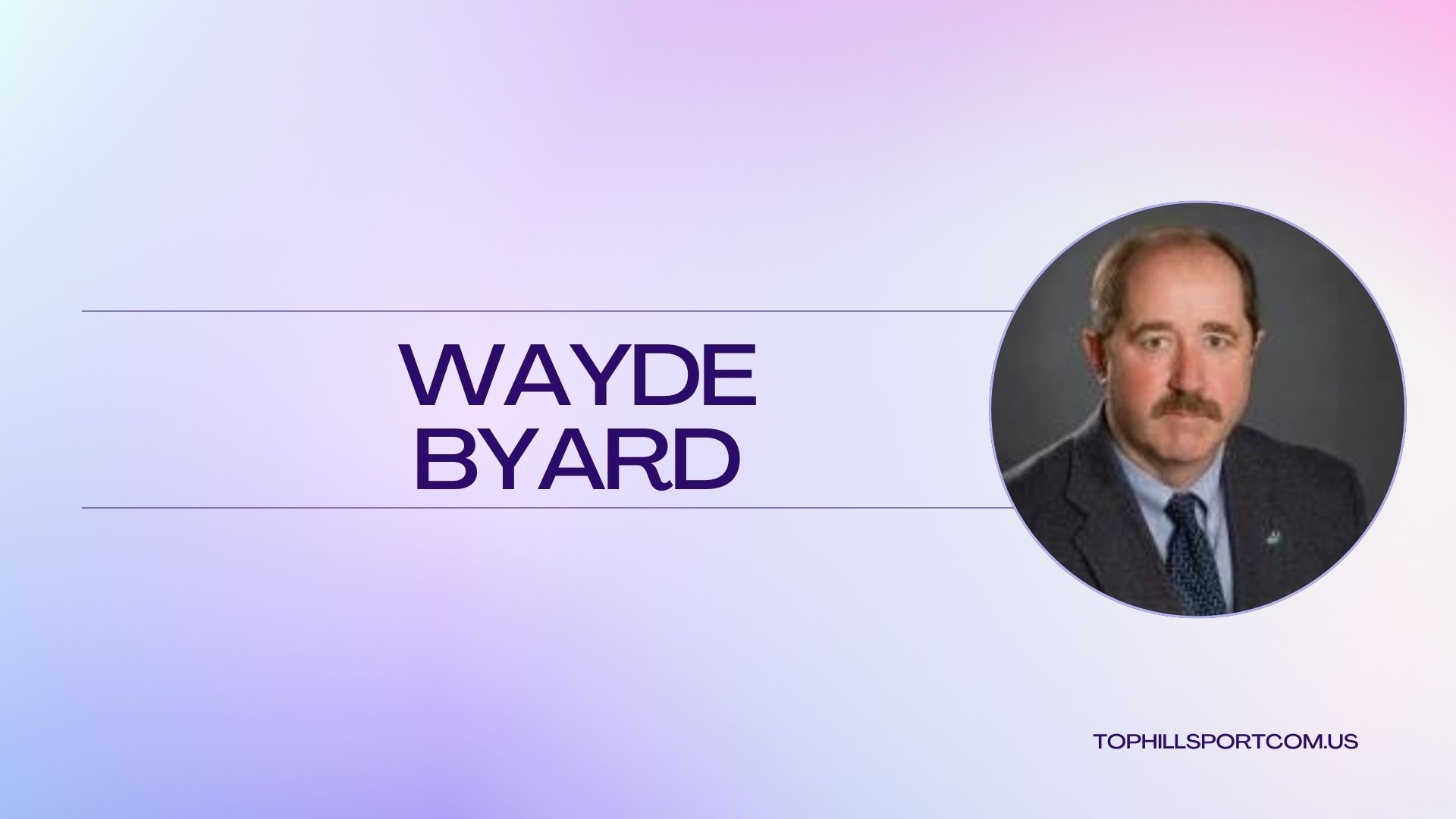
From an unexpected local fame to becoming a central figure in one of the most talked‑about school controversies in recent American history, Wayde Byard’s life reads like a story you might only believe if someone told it as fiction. But it’s real — a narrative of decades‑long public service, unexpected celebrity, deep controversy, courtroom drama, and finally, a chance to tell his side of the story in print. This is the complete journey of the man whose calm, reassuring voice brought snow‑day joys to thousands of families, and whose name later became synonymous with one of the biggest debates over education, transparency, and the culture wars engulfing schools across the nation.
Wayde’s story is more than headlines and legal filings. It’s about community engagement, miscommunication, political polarization, and the power of storytelling itself. Through this guide, we’ll explore his life, career, controversies, the court case that drew national attention, and his own efforts to set the record straight. Whether you know him as a public information officer, the “snow day” man, or an author offering perspective on charged debates, this is the most complete and user‑focused look at Wayde Byard you’ll find anywhere.
Biography: Quick Facts About Wayde Byard
| Field | Information |
|---|---|
| Full Name | Wayde Byard |
| Known For | Former Public Information Officer for Loudoun County Public Schools (LCPS), Author |
| Location | Loudoun County, Virginia, USA |
| Career Start | 2000 at LCPS |
| Education | Journalism background (Missouri journalism school) |
| Notable Work | “The Battle for Loudoun County” (book) |
| Controversy | Indicted on perjury charges; later acquitted |
| Online Fame | Known for school closure messages and community presence |
| Book Focus | Inside look at school controversies and culture wars |
The Early Life and Passion for Communication
Wayde Byard didn’t start his life in the spotlight. Raised in the northeastern United States, his early path was shaped by curiosity and a natural ability to tell stories — traits that would later define a career in journalism and public information. After pursuing journalism education in Missouri, Byard sharpened his communication skills, learning how to convey complex information clearly and with empathy — a foundation that prepared him for his future role in public school communication.
When he joined Loudoun County Public Schools in 2000 as the public information officer, he could hardly have predicted the journey ahead. At first, it was a straightforward job: share school news, handle press inquiries, and keep the community informed. But the way he communicated — calm, clear, and often with a touch of warmth — began to resonate with families across the county. Over time, even parents who weren’t closely following school board politics would recognize his voice and his messages, especially on snowy mornings when students hoped for closures.
What a Public Information Officer Really Does
A public information officer (PIO) is the bridge between an institution and the public — responsible for relaying important information quickly, accurately, and in a way people can trust. For Loudoun County Public Schools, which serves tens of thousands of students and families, that role is especially critical. When there’s snow, unexpected closures, safety incidents, or changes in policy, the community looks to the PIO for clarity.
Wayde understood this deeply. His job wasn’t just about releasing statements — it was about building trust. Over the years, his work expanded beyond press releases into community engagement: he appeared at school events, shared stories about student achievements, and became someone parents and students felt they knew personally. This kind of connection is rare in public institutions, and it set the stage for the unique role he would play in both comforting and challenging times.
The Voice Behind Snow Day Calls
One of the most charming chapters in Wayde’s story is how he became a minor local celebrity — not for a policy decision or press conference, but for something as simple as snow day announcements. His recorded messages informing families about school closures were widely shared, joked about, and even celebrated in social media communities. Parents made fan pages, students created memes, and some even made merchandise joking about how much they loved (or pretended to love) waking up early to hear him announce another day off.
The phenomenon was organic, built on shared community experience rather than marketing or media training. It showed how deeply local institutions and personalities can weave into everyday life when people feel seen and informed. More than just a voice on the phone, Wayde became a symbol of shared experiences — from shivering winter mornings to last‑minute weather surprises, and even just the sense of belonging that arises when someone speaks directly to you with warmth and clarity.
Into the National Spotlight: The 2021 Sexual Assault Incidents
In 2021, events unfolded that upended decades of routine communication work and thrust Loudoun County Public Schools, and Wayde Byard with it, into the national spotlight. Two separate sexual assault incidents occurred when a student at one county high school allegedly assaulted a peer, and then, after being transferred, allegedly did so again at another school. Parents, community members, and news outlets questioned how administrators handled the situation, especially the decision to transfer the student.
The controversy quickly spread beyond Virginia, fueled by political debates about transparency, school safety, parental rights, and education policy. Emotion ran high as parents demanded answers and accountability. In the tense climate, the handling of these incidents became a flash point — not just for local frustration, but for larger national conversations about education, policy, and trust in institutions.
How the Controversy Escalated
As concerns grew, Virginia’s state leadership stepped in. A special grand jury was empaneled to investigate how the school district handled the cases and whether officials were forthcoming about what happened. The grand jury issued a lengthy report criticizing miscommunication, lack of transparency, and administrative mishandling, though it did not conclude a coordinated cover‑up.
Among those named in indictment actions was Wayde Byard, not because he was directly responsible for school safety decisions, but because he had testified before the grand jury about when he first became aware of the initial incident. Prosecutors alleged he had lied about the timing, suggesting this reflected a broader failure to disclose information to parents and the community.
The Perjury Charge and Trial
In late 2022, a special grand jury indicted Wayde Byard on a felony count of perjury — meaning prosecutors believed he knowingly gave false testimony under oath. The accusation was centered on whether he lied about when he learned about the first incident. The indictment drew intense national attention because it involved not just local school turmoil but wider debates about public‑official accountability and political influence in school governance.
Byard maintained his innocence. His defense argued that there was no concrete evidence he intentionally misled the grand jury, and that as the face of the school district, he was an easy target for blame in a community looking for someone to hold accountable.
Inside the Courtroom: What the Trial Revealed
The trial was a dramatic moment in Wayde’s story, bringing to light how complex institutional communication can be during crisis situations. Prosecutors focused on testimony about a phone call and communications following the first incident, suggesting Byard’s account didn’t align with other administrator memories. Defense attorneys countered that recollections differed, and that no hard documents showed he had true knowledge earlier than he testified.
After three days of testimony and deliberation, the jury returned a verdict of not guilty — acquitting Byard of all charges. The decision was reached quickly, indicating the jury was convinced there was reasonable doubt about whether Byard’s statements were intentionally false.
What Acquittal Meant for Wayde Byard
Being cleared of the charge allowed Wayde to return to public life and reflect on what had happened. While the controversy undoubtedly reshaped his professional life, the acquittal affirmed that the evidence did not support criminal intent. Instead, it underscored how public officials can become lightning rods when emotions and political tensions run high.
For many, the verdict also raised questions about accountability and communication in institutions — not just whether individuals did wrong, but how communities can understand complicated events with empathy and clarity rather than confrontation. Byard himself said he wanted to move on from controversy and focus on sharing the truth as he saw it.
From Public Servant to Author: “The Battle for Loudoun County”
After the trial, Wayde channeled his experiences into a book titled “The Battle for Loudoun County.” The work aims to chronicle not just the events themselves, but the broader context in which they unfolded — including the intersection of school governance, parental engagement, political debate, and mass media noise.
Rather than writing out of anger or vengeance, Byard has said he wanted a record of “what really happened” so that readers can understand the full story beyond media headlines and polarized social commentary. The book serves as both memoir and reflective analysis, giving insight into how local events can become emblematic of national culture wars.
How the Community Responded — Then and Now
When headlines splashed Wayde’s name across state and national outlets, reactions were mixed. Some saw him as a scapegoat in a fractious political climate; others believed public officials should face consequences for communication missteps. Social media communities reflected this divide — some fiercely supportive, others sharply critical.
Over time, many community members expressed respect for his dedication and empathy for the difficulties faced by public servants in highly charged environments. His return after the acquittal was met with relief by many who saw Byard as a familiar and steady presence in their children’s educational experiences.
Lessons from a Public Communication Career
Wayde’s journey teaches several important lessons for anyone interested in public service, communication, or community engagement:
- Clarity matters — How information is shared can shape perceptions and trust.
- Context matters — Facts often get tangled with emotion and politics; separating them is essential.
- Public trust is fragile — Once shaken, it takes time, empathy, and consistent dialogue to rebuild.
- Storytelling empowers — Sharing lived experiences can help illuminate complex issues for broader understanding.
His life shows that even routine responsibilities — like announcing a snow day — can connect deeply with community identity, while high‑stakes controversies can test personal resilience and integrity.
The Cultural Wars and Education Policy
The controversy involving Wayde was part of a larger national debate over education policy, parental involvement, and how schools address sensitive topics. Questions about safety, transparency, gender identity policies, and communication ethics all intersected in Loudoun County, reflecting broader American tensions over how public education should operate in a polarized era.
Wayde’s experience became a focal point in these discussions because his role positioned him between the district’s internal operations and the public eye. What happened in Loudoun illustrated how local issues can quickly become national symbols — for better or worse — and how individuals in public roles can bear the weight of debates far bigger than themselves.
Personal Reflections and Community Bonds
Despite the controversy, those who knew Wayde often emphasize his human side. Many remember him not for headlines, but for small, consistent moments — visiting schools, participating in community events, and earning the trust of families through thoughtful communication.
This personal dimension — of a communicator who became part of everyday experiences — is what makes his story resonate beyond legal matters. It’s a reminder that behind every headline is a person navigating complexity, striving to do their job with care and dignity.
Legacy and What Comes Next
As Wayde Byard moves forward, including through his writing, his legacy is multifaceted. He’s a reminder that public service isn’t always linear or predictable — that dedication can lead to both acclaim and scrutiny. But through it all, his commitment to telling the full story remains central, offering a rare look at how community, controversy, and communication intersect in modern life.
Conclusion
The journey of Wayde Byard is more than just a biography; it’s a window into how ordinary roles can become extraordinary under pressure, how community trust is built and tested, and how one person’s voice can carry far beyond its original purpose. From snow day announcements to national headlines, courtroom drama to published reflection, his experience gives us a lot to think about — especially in a world where public institutions and individuals alike navigate ever‑intensifying scrutiny and debate.
Frequently Asked Questions (FAQs)
Who is Wayde Byard?
Wayde Byard is the longtime former public information officer for Loudoun County Public Schools, known for his work communicating school news, building community rapport, and later becoming an author.
Why was Wayde Byard indicted on perjury charges?
He was charged by a special grand jury alleging he lied under oath about when he first learned of a 2021 sexual assault incident involving a student — a matter that became politically charged due to broader debates about school policies and transparency.
What was the outcome of Wayde Byard’s trial?
A Loudoun County jury found him not guilty, acquitting him of the felony perjury charge.
What is The Battle for Loudoun County about?
It’s Wayde’s book reflecting on the controversy, how events unfolded, and the broader context of school governance, public perception, and cultural debates affecting education.
Is Wayde Byard still active in public communications?
After his acquittal and subsequent retirement, he continues to share his perspective through writing and speaking, offering insight on the events that shaped his career.
From fresh news to expert insights, TopHillSport keeps you in the loop!