
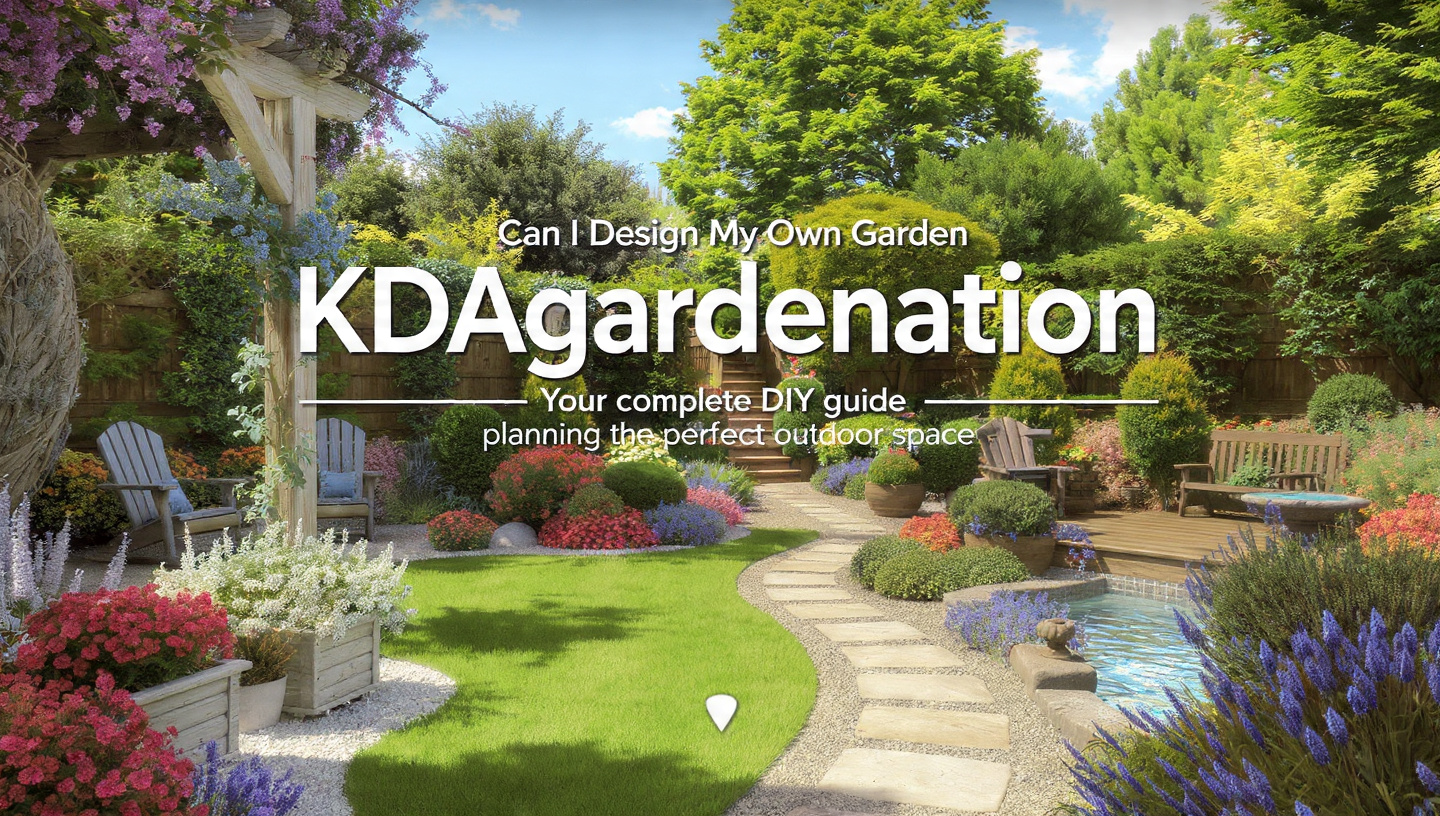
Creating a beautiful, functional, and personalized garden is no longer a dream reserved for professional landscapers. With the rise of DIY gardening and tools like KDAgardenation, anyone can plan, design, and bring their ideal outdoor space to life. Whether you have a tiny backyard, a sprawling lawn, or a balcony that needs a green touch, designing your own garden empowers you to express creativity, incorporate sustainability, and enjoy the therapeutic benefits of nurturing plants. This guide will explore every aspect of garden design, from planning to execution, helping you confidently answer the question: “Can I design my own garden KDAgardenation?”
Understanding the Basics of Garden Design
Garden design is more than planting flowers randomly; it’s about creating a space that harmonizes aesthetics, functionality, and your personal style. The first step is understanding the fundamental principles: balance, proportion, texture, color, and focal points. Balance ensures that no area feels overcrowded or empty, while proportion relates to the scale of plants, furniture, and structures. Texture and color play a crucial role in visual appeal, with leafy greens, flowering plants, and contrasting materials creating a dynamic atmosphere. Focal points, such as a fountain or a statue, draw the eye and anchor the design.
By mastering these basics, you can plan a garden layout that flows naturally and enhances your outdoor environment. Whether you are interested in formal geometric patterns, naturalistic designs, or a mix of styles, understanding the core principles ensures your garden looks cohesive and intentional. KDAgardenation tools often provide templates and examples to guide beginners, making it easier to translate ideas into practical layouts.
Planning Your Garden Space
Effective garden design begins with careful planning. Start by measuring your garden area, noting dimensions, sunlight exposure, and soil conditions. Sunlight affects plant selection, with some species thriving in full sun while others prefer shade. Soil analysis helps you understand nutrient levels, pH, and drainage, which directly influence plant health. Consider elements like pathways, patios, water features, and seating areas during the planning phase to ensure your design is both functional and inviting.
Sketching a rough layout on paper or using garden design software like KDAgardenation allows you to experiment with different arrangements without committing to permanent changes. By evaluating plant spacing, growth patterns, and seasonal variations, you can anticipate potential challenges and make informed decisions. Planning is the foundation of a successful DIY garden, and it prevents costly mistakes while helping you visualize your dream outdoor space.
Choosing the Right Plants
Selecting plants is one of the most exciting aspects of garden design. Consider plant types based on climate, soil, maintenance requirements, and aesthetic appeal. Incorporate a mix of flowering plants, shrubs, trees, and ground covers to create visual interest and biodiversity. Native plants are ideal as they require less water, attract local wildlife, and adapt naturally to your environment.
When planning a garden using KDAgardenation tools, you can preview plant arrangements and colors before purchase. This helps maintain a balanced design where no plant overwhelms another. Additionally, layering plants according to height and texture can create depth and dimension, enhancing the overall look of your garden. Combining perennials for long-lasting greenery and annuals for seasonal bursts of color ensures a vibrant and ever-changing landscape.
Designing for Functionality and Comfort
A garden should be both beautiful and practical. Consider how you will use the space: is it for relaxation, entertaining, growing vegetables, or a combination? Incorporate seating areas, dining spaces, and shaded zones to enhance comfort. Pathways should be easy to navigate, connecting key areas without disrupting the visual flow.
Functional elements like irrigation systems, storage solutions, and lighting add convenience and prolong the life of your garden. KDAgardenation allows you to experiment with functional layouts digitally, adjusting elements like pathways, furniture, and plant placement for maximum usability. A well-designed garden accommodates both aesthetics and practical needs, creating a space that is enjoyable year-round.
Incorporating Sustainable Practices
Sustainability is a key trend in modern garden design. Using drought-tolerant plants, installing rainwater collection systems, and composting organic waste reduce environmental impact while supporting healthy plant growth. Incorporating native species encourages pollinators and wildlife, promoting a balanced ecosystem.
Sustainable practices also include using recycled materials for pathways, furniture, and garden structures. Mulching helps retain soil moisture, and natural fertilizers reduce chemical use. KDAgardenation platforms often provide eco-friendly design options, allowing gardeners to plan with sustainability in mind. By blending beauty with environmental responsibility, your DIY garden can contribute positively to your community and planet.
Creating a Focal Point
Every great garden needs a focal point—a feature that draws attention and provides a visual anchor. Popular options include fountains, sculptures, garden benches, pergolas, or a standout tree. The focal point should complement your overall design, providing contrast while harmonizing with surrounding elements.
Placement is crucial. Ideally, it should be visible from multiple angles and positioned where visitors naturally pause, such as near pathways or entrances. KDAgardenation allows users to experiment with focal points digitally, making it easy to visualize how they interact with other elements. A well-chosen focal point enhances the garden’s identity and gives your space character.
Using Color Effectively
Color is a powerful tool in garden design. It can evoke emotions, highlight specific areas, and create visual rhythm. Use color harmoniously by combining complementary shades or contrasting tones to create focal points. Consider seasonal changes; some plants may bloom in spring while others provide vibrant foliage in autumn.
Layering colors with textures adds depth to your garden. For example, pairing broad-leafed greens with colorful flowering shrubs creates visual interest. KDAgardenation allows you to simulate color schemes before planting, ensuring that the chosen palette works well in your space. Thoughtful color selection enhances the overall mood and aesthetic of your DIY garden.
Incorporating Hardscaping Elements
Hardscaping refers to non-plant elements in your garden, such as patios, paths, retaining walls, decks, and pergolas. These features provide structure, improve accessibility, and enhance visual appeal. Choose materials like stone, wood, or brick that complement your garden’s style and withstand local climate conditions.
Effective hardscaping balances functionality and aesthetics. For example, a stone pathway can guide visitors through the garden while adding texture and contrast. Raised garden beds not only define planting areas but also improve soil quality and drainage. KDAgardenation tools allow you to virtually add and arrange hardscaping elements, helping you find the perfect balance with your plantings.
Lighting Your Garden
Lighting transforms a garden at night, highlighting key features and creating ambiance. Consider a mix of task lighting for paths and seating areas, accent lighting for focal points, and ambient lighting for overall mood. Solar lights are eco-friendly and easy to install, while LED options provide energy efficiency and long-lasting illumination.
Strategically placed lights can also enhance security and guide visitors safely through the space. KDAgardenation provides simulation features to visualize lighting effects, helping you make informed choices before installation. A well-lit garden is both beautiful and functional, extending usability into the evening hours.
Planning for Seasonal Changes
Gardens evolve with the seasons, and designing with this in mind ensures year-round appeal. Incorporate plants that bloom in different seasons, and use evergreens for consistent greenery. Consider deciduous trees that provide shade in summer and allow sunlight in winter.
Seasonal planning also involves preparing for weather changes, such as frost protection in winter or drought resilience in summer. KDAgardenation offers seasonal planting guides and layout suggestions, making it easier to plan for a dynamic, changing landscape. Anticipating seasonal variations prevents gaps in beauty and keeps your garden vibrant throughout the year.
Maximizing Small Spaces
Even limited outdoor areas can become stunning gardens. Use vertical gardening, container plants, hanging baskets, and trellises to maximize space. Reflective surfaces like mirrors or light-colored walls can create a sense of depth.
Small-space gardens benefit from multi-functional features, such as seating that doubles as storage or planters that act as dividers. KDAgardenation provides tools to optimize compact spaces, helping you create a visually appealing, practical garden without compromising style. Clever use of space ensures that every inch contributes to the overall design.
Incorporating Water Features
Water features like ponds, fountains, or waterfalls add tranquility and a sensory element to your garden. They attract birds and pollinators while creating a relaxing ambiance with the sound of flowing water.
When designing a water feature, consider size, location, and maintenance requirements. Ensure proper circulation to prevent stagnation and select aquatic plants or fish if desired. KDAgardenation allows you to digitally add water elements to see how they integrate with your layout. Water features become focal points and enhance the atmosphere of any garden, making them worthwhile additions to your DIY design.
Garden Furniture and Accessories
Furniture and decorative accessories complement your garden and increase comfort. Choose durable materials suited for outdoor use, like teak, aluminum, or weather-resistant wicker. Accessories, such as cushions, pots, or garden ornaments, add personality and tie the design together.
Placement is important to maintain flow and avoid overcrowding. Arrange seating around focal points or in shaded areas to create inviting spaces. KDAgardenation includes features to virtually place furniture and visualize arrangements, ensuring functionality and aesthetics align. Thoughtful selection and placement of furniture make your garden an enjoyable retreat.
Maintaining Your Garden
A beautiful garden requires ongoing care. Regular watering, pruning, fertilizing, and pest control keep plants healthy and vibrant. Establish a maintenance schedule based on plant types and seasons to stay organized.
Using mulches, organic fertilizers, and sustainable pest control methods promotes a healthier garden while reducing chemical exposure. KDAgardenation often provides maintenance tips and reminders to help DIY gardeners manage their space efficiently. Consistent care ensures your garden continues to thrive and evolve beautifully over time.
Leveraging Technology for Garden Design
Technology makes designing your own garden easier than ever. Tools like KDAgardenation provide templates, 3D visualizations, plant suggestions, and layout simulations. You can experiment with colors, shapes, and features digitally before committing to physical changes.
Additionally, gardening apps can track watering schedules, plant growth, and seasonal tasks. Using technology empowers you to plan meticulously, save time, and reduce errors, making your DIY garden experience more enjoyable and successful.
Common Mistakes to Avoid
Even seasoned gardeners make mistakes. Common pitfalls include overcrowding plants, ignoring soil quality, poor lighting choices, and failing to plan for seasonal changes. Another mistake is neglecting functionality—beauty alone does not make a garden enjoyable.
Using KDAgardenation and careful planning can help prevent these issues. Visualizing layouts, considering growth patterns, and factoring in maintenance needs ensures a sustainable and practical garden. Avoiding common mistakes saves time, money, and frustration while improving the overall outcome.
DIY vs Professional Help
Deciding whether to design your own garden or hire a professional depends on your goals, budget, and time. DIY design offers personal satisfaction, flexibility, and creative control. Professionals bring expertise, efficiency, and specialized knowledge for complex projects.
A hybrid approach is also viable—use tools like KDAgardenation for planning and visualization, then consult a professional for installation or technical aspects. This allows you to maintain creative input while ensuring quality results. Both options can produce beautiful, functional gardens; the choice depends on your resources and vision.
Adding Edible Plants
Integrating fruits, vegetables, and herbs into your garden adds both beauty and functionality. Edible plants encourage healthy eating, reduce grocery costs, and provide sensory enjoyment through touch, taste, and smell.
Plan edible gardens considering sunlight, soil quality, and companion planting. Herbs like basil, rosemary, and thyme thrive in small containers, while vegetables like tomatoes, peppers, and leafy greens can occupy raised beds. KDAgardenation allows you to allocate areas for edible plants alongside ornamental ones, blending utility with aesthetics seamlessly.
Enhancing Privacy and Screening
Gardens can serve as private retreats, and strategic screening adds comfort and intimacy. Use hedges, trellises, fences, or tall plants to create boundaries. Vertical gardens or lattice panels can double as decorative elements while providing privacy.
Plan screening to allow airflow and sunlight, avoiding overly dense barriers. KDAgardenation allows you to experiment with placement, height, and materials virtually, helping you achieve a balance between seclusion and openness. Thoughtful privacy solutions ensure your garden feels like a personal sanctuary.
Conclusion
Designing your own garden using KDAgardenation is a fulfilling journey that combines creativity, planning, and practical skills. From understanding design principles to selecting plants, incorporating hardscaping, and leveraging technology, every step contributes to a personalized, beautiful, and functional outdoor space. Whether you’re aiming for a tranquil retreat, a family-friendly play area, or a productive edible garden, DIY design puts the power in your hands. By planning carefully, embracing sustainable practices, and staying consistent with maintenance, you can enjoy a vibrant garden all year round.
FAQs
Can I really design my own garden without professional help?
Yes! Tools like KDAgardenation, combined with research and planning, make it possible to design a beautiful, functional garden independently.
What are the key things to consider when designing a garden?
Consider space, sunlight, soil quality, plant types, functionality, color schemes, and maintenance. Planning for seasonal changes is also crucial.
How do I incorporate sustainability into my garden?
Use native and drought-tolerant plants, recycle materials, compost organic waste, and implement water-efficient irrigation systems.
Can small spaces be effectively turned into gardens?
Absolutely! Use vertical gardening, container plants, hanging baskets, and multi-functional furniture to maximize limited spaces.
Is it worth using digital tools for garden design?
Yes. Tools like KDAgardenation allow you to visualize layouts, experiment with plant placement, and optimize functionality before implementation.
For expert sports updates and fresh insights, head over to TopHillSport Com now.