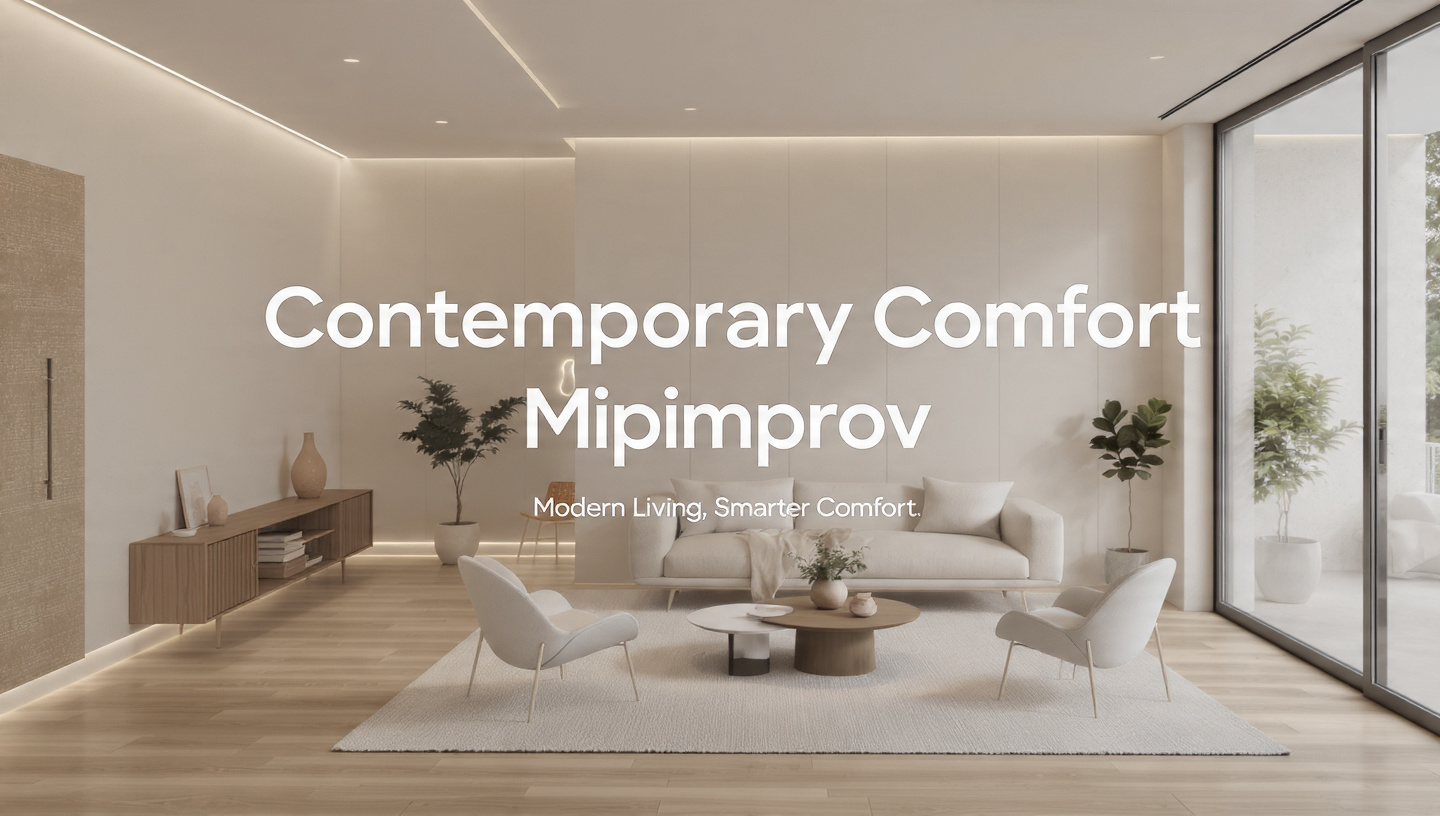
In today’s fast-evolving world, comfort is no longer just about soft furniture or stylish décor—it’s about how intelligently our environments support our daily lives. This is where contemporary comfort mipimprov emerges as a powerful concept that blends modern design, smart technology, wellness principles, and efficient space planning. It represents a new philosophy of living where functionality meets emotional well-being, sustainability aligns with aesthetics, and innovation enhances everyday experiences.
As people increasingly seek homes and workplaces that promote productivity, relaxation, and balance, contemporary comfort mipimprov has become a key trend in interior design, architecture, and lifestyle planning. It focuses on improving living standards through thoughtful improvements, adaptive technologies, ergonomic layouts, and minimalist design approaches that reduce stress while enhancing convenience.
This comprehensive guide explores everything you need to know about contemporary comfort mipimprov—from its meaning and principles to practical applications, benefits, and future trends. Whether you’re redesigning your home, upgrading a workspace, or simply looking to create a more comfortable environment, this article will provide actionable insights and expert knowledge to help you understand and apply this modern living approach effectively.
Understanding the Concept of Contemporary Comfort Mipimprov
Contemporary comfort mipimprov refers to a modern lifestyle philosophy that prioritizes comfort through continuous improvement, innovative design solutions, and smart integration of technology. The term combines three core ideas: contemporary design trends, comfort optimization, and improvement strategies. Together, these elements form a holistic approach to creating spaces that enhance both physical and mental well-being.
At its core, this concept goes beyond traditional interior design. Instead of focusing solely on visual appeal, it emphasizes how a space functions for its occupants. For example, lighting systems that adjust automatically, ergonomic furniture designed to reduce strain, and smart climate controls all contribute to this improved comfort experience. These enhancements create environments that actively support the user’s needs rather than just serving aesthetic purposes.
Another important aspect is adaptability. Contemporary comfort mipimprov encourages flexible spaces that can evolve with changing lifestyles. Whether it’s modular furniture, multifunctional layouts, or technology-driven home automation, the goal is to create environments that remain comfortable and relevant over time. This adaptability ensures long-term usability and sustainability.
The Evolution of Modern Comfort Design
Modern comfort design has evolved significantly over the past few decades. Earlier design trends focused primarily on luxury and decoration, often prioritizing appearance over usability. However, contemporary comfort mipimprov reflects a shift toward practical functionality combined with emotional wellness.
The rise of digital technology played a major role in this transformation. Smart home systems, automated lighting, and climate control solutions introduced new possibilities for enhancing comfort. These innovations allowed individuals to personalize their environments based on preferences, creating more responsive and user-friendly spaces.
Additionally, social changes influenced this evolution. As remote work, urban living, and sustainability concerns increased, people began seeking efficient, flexible, and eco-friendly design solutions. Contemporary comfort mipimprov emerged as a response to these needs, combining modern aesthetics with practical improvements to create balanced living environments.
Key Principles Behind Contemporary Comfort Mipimprov
The foundation of contemporary comfort mipimprov lies in several key principles that guide its application in modern spaces. These principles ensure that comfort improvements are both effective and sustainable.
One primary principle is user-centered design. This approach focuses on understanding how people interact with their environments and tailoring solutions to meet their needs. For example, ergonomic seating, optimized lighting, and smart storage systems all support daily comfort.
Another essential principle is minimalism with functionality. Instead of overcrowding spaces with decorative elements, this concept promotes simplicity while maintaining practical value. Clean layouts, neutral colors, and multifunctional furniture help reduce visual clutter and enhance relaxation.
Sustainability is also a critical component. Contemporary comfort mipimprov encourages energy-efficient systems, eco-friendly materials, and long-lasting design solutions. These practices not only improve comfort but also contribute to environmental responsibility.
How Technology Enhances Comfort Improvements
Technology plays a central role in achieving contemporary comfort mipimprov. Smart devices and automation systems allow users to control their environments effortlessly, creating personalized comfort experiences.
One significant technological advancement is smart home automation. Systems that regulate lighting, temperature, and security provide convenience while reducing energy consumption. These solutions enhance comfort by eliminating manual adjustments and ensuring optimal conditions at all times.
Another important technological element is digital ergonomics. Adjustable workstations, posture monitoring tools, and adaptive furniture designs help improve physical health. These innovations prevent discomfort caused by prolonged sitting or improper positioning.
Additionally, artificial intelligence integration enables predictive comfort solutions. For instance, smart climate systems can learn user preferences and automatically adjust settings, ensuring consistent comfort without user intervention.
Role of Interior Design in Contemporary Comfort
Interior design is a key component of contemporary comfort mipimprov. Designers focus on creating environments that balance visual appeal with practical usability, ensuring that spaces support both relaxation and productivity.
Color psychology plays an important role in this process. Neutral tones, soft textures, and natural materials contribute to calming environments. These design choices help reduce stress and create a sense of harmony within the space.
Lighting design is equally important. Layered lighting systems, including ambient, task, and accent lighting, improve functionality while enhancing aesthetics. Proper lighting ensures comfort by preventing eye strain and creating suitable atmospheres for different activities.
Furniture arrangement also contributes significantly. Strategic placement of furniture improves movement flow, maximizes space efficiency, and enhances usability.
Benefits of Implementing Comfort Improvement Strategies
Adopting contemporary comfort mipimprov offers numerous advantages that go beyond aesthetics. These benefits impact physical health, emotional well-being, and overall quality of life.
One major benefit is increased productivity. Comfortable environments reduce distractions and improve focus, especially in workspaces. Ergonomic designs and optimized lighting help individuals perform tasks more efficiently.
Another important advantage is enhanced mental well-being. Stress-reducing design elements such as natural lighting, greenery, and organized layouts create calming environments that promote relaxation.
Energy efficiency is also a significant benefit. Smart systems and sustainable materials reduce energy consumption, leading to lower costs and environmental impact.
Contemporary Comfort in Residential Spaces
Residential applications of contemporary comfort mipimprov focus on creating homes that support daily activities while promoting relaxation and wellness. This approach integrates smart technologies, ergonomic designs, and flexible layouts.
Living rooms often incorporate multifunctional furniture, such as modular sofas and adjustable lighting systems. These features allow spaces to adapt for entertainment, relaxation, or work purposes.
Bedrooms emphasize sleep comfort through ergonomic mattresses, noise reduction solutions, and ambient lighting. These improvements enhance sleep quality and overall health.
Kitchens benefit from smart appliances and efficient storage systems, improving usability while maintaining aesthetic appeal.
Workplace Applications of Comfort Innovation
Modern workplaces increasingly adopt contemporary comfort mipimprov principles to enhance employee productivity and satisfaction. Comfortable work environments improve focus, reduce fatigue, and support collaboration.
Ergonomic office furniture is a key component. Adjustable chairs, standing desks, and posture-supporting designs help prevent physical discomfort during long working hours.
Flexible workspace layouts also contribute to comfort. Open spaces, collaborative zones, and quiet areas allow employees to choose environments suited to their tasks.
Additionally, smart lighting and climate control systems create consistent comfort levels, improving workplace efficiency.
Sustainable Practices in Comfort Improvement
Sustainability is a fundamental aspect of contemporary comfort mipimprov. Eco-friendly design choices ensure that comfort improvements do not compromise environmental responsibility.
Energy-efficient lighting, such as LED systems, reduces power consumption while maintaining optimal brightness. These solutions contribute to long-term cost savings.
Natural materials like wood, bamboo, and recycled textiles enhance aesthetics while minimizing environmental impact. These materials also create healthier indoor environments.
Green building practices, including improved insulation and ventilation, further support sustainability goals.
Table: Core Elements of Contemporary Comfort Mipimprov
| Element | Description | Benefit |
|---|---|---|
| Smart Technology | Automated systems for lighting and climate | Convenience and efficiency |
| Ergonomic Design | Furniture and layouts for physical comfort | Health improvement |
| Sustainability | Eco-friendly materials and energy systems | Environmental protection |
| Minimalist Aesthetics | Simple and clean design | Reduced stress |
Importance of Ergonomics in Modern Comfort
Ergonomics plays a crucial role in contemporary comfort mipimprov by focusing on physical well-being and injury prevention. Proper ergonomic design ensures that spaces support natural body movements.
Ergonomic furniture, such as adjustable chairs and desks, reduces strain on the spine and joints. These improvements are particularly important in work environments where individuals spend extended periods sitting.
Additionally, ergonomic layouts enhance usability by ensuring that frequently used items are easily accessible. This reduces unnecessary movement and increases efficiency.
Table: Comfort Improvement Strategies
| Strategy | Application Area | Impact |
|---|---|---|
| Smart Lighting | Homes and offices | Better visibility |
| Flexible Layouts | Living spaces | Adaptability |
| Noise Control | Bedrooms and workplaces | Improved concentration |
| Air Quality Systems | Indoor environments | Health benefits |
Practical Steps to Implement Comfort Improvements
Implementing contemporary comfort mipimprov requires a structured approach. The first step is assessing current comfort levels and identifying areas that need improvement.
Next, prioritize essential upgrades such as ergonomic furniture, lighting improvements, and smart technology integration. These changes provide immediate comfort benefits.
Finally, maintain flexibility by choosing modular solutions that can adapt to future needs.
Common Challenges and Solutions
Despite its benefits, implementing contemporary comfort mipimprov may present challenges. Budget constraints are one common issue, as advanced technologies and high-quality materials can be expensive.
However, prioritizing essential improvements and adopting gradual upgrades can help manage costs effectively. Starting with energy-efficient lighting or ergonomic furniture provides immediate benefits without large investments.
Another challenge is balancing aesthetics with functionality. Careful planning ensures that design choices enhance both visual appeal and usability.
Future Trends in Contemporary Comfort Mipimprov
Future developments in contemporary comfort mipimprov will likely focus on advanced automation, sustainable innovations, and personalized environments.
Artificial intelligence-driven systems will enable predictive comfort adjustments, improving user experiences further. Smart materials capable of adapting to environmental changes may also become more common.
Sustainability will continue to play a central role, with increased emphasis on renewable energy integration and eco-friendly design solutions.
Essential Features of Comfort-Focused Spaces
Key features that define contemporary comfort mipimprov spaces include:
- Adaptive lighting systems
- Ergonomic furniture designs
- Smart climate control technology
- Flexible and modular layouts
- Sustainable materials
These features collectively create environments that support comfort, productivity, and well-being.
Conclusion
Contemporary comfort mipimprov represents a transformative approach to modern living that combines innovation, functionality, and sustainability. By focusing on user-centered design, smart technology integration, and ergonomic improvements, this concept enhances both physical comfort and emotional well-being.
As lifestyles continue to evolve, adopting comfort improvement strategies will become increasingly important. Whether applied in residential or workplace settings, contemporary comfort mipimprov provides a practical framework for creating environments that support productivity, relaxation, and long-term sustainability.
FAQs
What does contemporary comfort mipimprov mean?
It refers to a modern design and lifestyle approach focused on improving comfort through innovation, technology, and ergonomic solutions.
Is it only related to interior design?
No, it includes technology integration, sustainability practices, and space optimization.
Can it be applied on a small budget?
Yes, starting with simple improvements like lighting upgrades and ergonomic furniture can be cost-effective.
Does it improve productivity?
Yes, comfortable environments reduce distractions and enhance focus.
Is sustainability part of this concept?
Yes, eco-friendly materials and energy-efficient systems are key components.
Want insider sports knowledge? TopHillSport Com has all the latest updates.