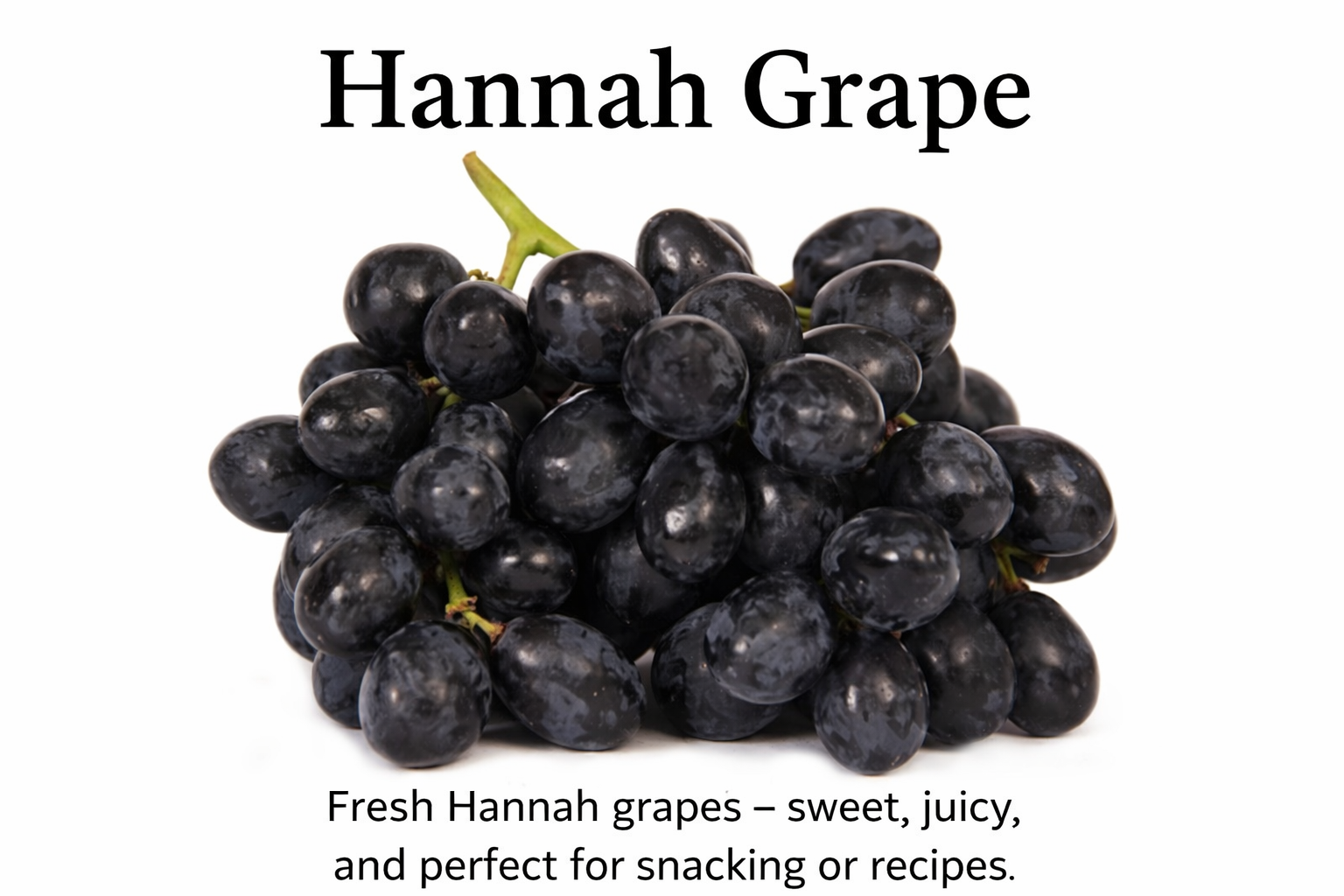
Grapes have been cherished for thousands of years for their sweetness, versatility, and health benefits — but among the many varieties, the Hannah grape stands out as a uniquely delightful choice. Whether you’re a fruit lover, gardener, chef, or health-conscious eater, this guide will take you on a deep and fascinating journey into everything you need to know about Hannah grapes. From their origins and cultivation to nutritional value and delicious uses, you’ll discover why this grape has won the hearts of so many. Let’s dive into this juicy world and uncover the magic behind one of nature’s sweetest gifts.
Origins and History of the Hannah Grape
The Hannah grape has a rich and intriguing history rooted in centuries of agriculture and selective cultivation. While not as ancient as some traditional wine grapes, the Hannah grape emerged from dedicated plant breeding efforts aimed at creating a fruit with exceptional sweetness, texture, and adaptability. These grapes were developed as part of the broader evolution of table grapes sought after in markets worldwide for their eating quality rather than for wine production.
Historically, grape cultivation dates back over 8,000 years to ancient civilizations in the Mediterranean and Near East. While the names and varieties have changed over centuries, the goal has remained the same — to produce grapes that delight the senses with their flavor and appearance. The Hannah grape, with its pale yellow-green skin and crisp bite, reflects this legacy of agricultural innovation and consumer preference.
Today, the Hannah grape enjoys popularity in regions with warm growing seasons and adequate irrigation, making it a favorite in both commercial orchards and backyard vineyards. Its development showcases the blend of human ingenuity and nature’s abundance. Understanding where this grape comes from helps us appreciate not just its taste but the centuries of cultivation behind it.
Identifying Characteristics: What Makes Hannah Grapes Special
Hannah grapes are immediately recognizable thanks to their distinctive appearance and texture. Their skin often exhibits a light green to golden hue, signaling a crisp, sweet flavor that is less tart than many other green grape varieties. The flesh inside is juicy, firm, and satisfying, making it an excellent choice for fresh snacking.
One remarkable characteristic of the Hannah grape is its balance between sweetness and acidity. This harmony creates a refreshing taste profile that appeals to many palates without being overwhelmingly sugary. The grapes are medium to large in size, with thin but sturdy skin that holds up well during harvesting and transportation.
Unlike some seedless table grapes that can be bland or mealy, Hannah grapes maintain a pleasing crunch and juice when bitten into, making them ideal for fruit platters, lunchboxes, and desserts alike. The overall sensory experience — from the bright hue to the sweet aroma and juicy bite — sets Hannah grapes apart from many other table grape varieties.
Nutritional Profile: Health Benefits of Hannah Grapes
Hannah grapes are more than just delicious — they pack a powerful nutritional punch. These grapes are rich in vitamins, minerals, and antioxidants that support overall health. Key nutrients include vitamin C, which boosts immune function, and vitamin K, which plays an essential role in bone health and blood clotting.
The presence of natural antioxidants like resveratrol and flavonoids in grapes contributes to heart health by promoting healthy blood circulation and reducing inflammation. While Hannah grapes are sweet, they have a mostly low to moderate glycemic index compared to processed sweets, making them a healthier snack option.
In addition to vitamins and antioxidants, grapes provide dietary fiber, which aids digestion and supports a healthy gut. They contain small amounts of potassium — essential for balancing electrolytes and supporting healthy muscle function. For kids, adults, athletes, or anyone looking for a nutrient-rich snack, Hannah grapes offer both flavor and functional benefits in every bite.
Growing Conditions: Climate and Soil Needs for Hannah Grapes
Growing Hannah grapes successfully requires careful attention to climate and soil conditions. These grapes thrive in warm climates with full sun exposure throughout the growing season. Adequate warmth helps the grapes develop their signature sweetness while ensuring proper ripening before harvest.
Soil quality is also crucial. Well-draining soil with a slightly acidic to neutral pH allows roots to access nutrients efficiently without becoming waterlogged. Many growers prefer loamy soil enriched with organic matter, which enhances water retention and supports healthy vine growth.
Consistent irrigation is necessary, especially during dry periods, but overheated roots or puddled fields can lead to disease issues. For that reason, vineyards often use drip irrigation systems that deliver water directly to the root zone, minimizing fungal risk and promoting vigorous growth.
Proper airflow around the vines further reduces disease potential. Growers use techniques like trellising and canopy management to ensure leaves and fruit catch sunlight while remaining well-ventilated. With the right care and environment, Hannah grapes can flourish and reward growers with bountiful harvests.
Propagation and Vineyard Practices
Propagation of Hannah grapes usually begins with cuttings from healthy vines. These cuttings are planted during dormant seasons, often in early spring or late winter before new growth begins. Once planted, young vines establish roots and develop their first leaves before entering their first active growing season.
In established vineyards, practices like pruning, trellising, and canopy management are essential. Pruning helps control the shape of the grapevine, removing old or weak wood and encouraging new, productive growth. Proper pruning ensures that energy goes into developing healthy fruit clusters rather than excessive leafy growth.
Trellising systems support vines as they climb and spread, keeping grapes off the ground where they are more vulnerable to pests and rot. Vineyard managers often choose between vertical shoot positioning or other training systems depending on climate, field layout, and personal preference.
Season-long irrigation, regular soil testing, and careful monitoring for pests and diseases allow growers to optimize plant health and grape quality. These practices combine centuries-old traditions with modern agricultural science to yield grapes that are both plentiful and delicious.
Harvesting Hannah Grapes
Timing is everything when harvesting Hannah grapes. Growers monitor sugar levels, acidity, and color development to determine the best harvest window — typically when the grapes achieve full flavor maturity. Picking too early may result in underripe, tart grapes, while waiting too long can invite overripeness or insect issues.
Harvest often happens by hand to reduce damage to the delicate fruit. Workers use sharp shears or knives to clip clusters from the vines gently. Hand harvesting allows for careful selection, ensuring that only ripe, high-quality clusters make it into the harvest bins.
Once picked, grapes are handled with care to avoid bruising. They are cooled promptly to preserve freshness and extend shelf life, particularly if they are headed for markets or long-distance shipping. For home growers, harvesting is a joyous moment — a chance to taste the sweet rewards of patience and hard work.
Culinary Uses: From Fresh Fruit to Recipes
The Hannah grape is incredibly versatile in the kitchen. Its naturally sweet flavor makes it delicious eaten fresh on its own or paired with a variety of cheeses and nuts on a fruit platter. The crisp texture and refreshing juice make it an excellent addition to salads, both savory and sweet.
In desserts, Hannah grapes shine in fruit tarts, sorbets, and compotes. Their juices can be reduced into glazes or sauces that accompany cakes or ice creams. Grapes also blend well into smoothies, offering natural sweetness without added sugar.
Moreover, these grapes make delightful frozen treats. Frozen grapes can be a healthy alternative to sugary popsicles, offering a satisfying sweet bite on hot days. Whether eaten plain, cooked, or featured in creative recipes, the culinary possibilities are almost endless.
Hannah Grape Vs Other Grape Varieties
Compared to other popular varieties like Concord, Thompson Seedless, or Muscat grapes, the Hannah grape offers a unique balance of sweetness and texture. While Concord grapes are known for their bold, aromatic flavor, Hannah grapes are milder and more universally appealing. Thompson Seedless are popular seedless table grapes but can lack the depth of sweetness found in Hannah grapes.
Muscat grapes, recognized for their floral sweetness, differ in flavor intensity — often more perfumed — whereas Hannah grapes have a fresh, crisp profile without overpowering notes. This makes Hannah grapes especially versatile in both fresh eating and culinary applications.
Understanding these differences helps consumers and chefs choose the right grape for their needs, whether it’s for snacking, cooking, or pairing with specific dishes.
Storage and Shelf Life Tips
To keep Hannah grapes fresh longer, proper storage is key. Grapes should be kept cool and dry — ideally in the refrigerator — as soon as possible after purchase or harvest. It’s best to leave them unwashed until ready to eat, as excess moisture can speed up spoilage.
Stored in a breathable container or perforated bag on a refrigerator shelf, grapes can stay fresh for up to one to two weeks. If softer grapes develop, remove them promptly to prevent them from affecting neighboring clusters.
For longer storage, grapes can be frozen. Spread them in a single layer on a tray, freeze solid, then transfer to freezer bags. Frozen grapes can be enjoyed as cold snacks or used later in smoothies.
Health Benefits Backed by Science
Research into grapes highlights their potential contributions to health, thanks largely to compounds like antioxidants and polyphenols. These natural chemicals have been associated with reduced oxidative stress in the body, which can support heart health and promote healthy aging.
Regular consumption of grapes, including varieties like Hannah grapes, may help support healthy blood pressure levels due to their potassium content. Dietary fiber helps promote digestive wellness and can contribute to a feeling of fullness that supports healthy eating patterns.
While fruits like grapes contain natural sugars, their nutritional profile includes valuable vitamins and minerals that make them a smart choice as part of a balanced diet. Paired with other nutrient-dense foods, grapes can support overall wellness.
Growing Hannah Grapes at Home
Home gardeners interested in growing Hannah grapes should start with young plants from reputable nurseries. Choose sunny spots in the garden with well-draining soil. Amend soil with compost if needed to boost fertility and water retention.
Support structures like trellises or arbors help vines climb and thrive. Regular pruning and seasonal care keep the plant healthy. Water deeply but infrequently to encourage strong root systems.
Home growers often find that tending grape vines is rewarding, offering both beautiful foliage and delicious harvests. With patience and proper care, even novice gardeners can enjoy their own fresh Hannah grapes.
Common Pests and Disease Management
Like all grape varieties, Hannah grapes are vulnerable to pests like aphids, spider mites, and grape berry moths. Natural pest control methods, including encouraging beneficial insects or using horticultural oils, help keep populations in check.
Fungal diseases like powdery mildew and botrytis can affect vines, especially in humid or poorly ventilated conditions. Ensuring good airflow through proper pruning and avoiding overhead watering reduces disease risk.
Regular monitoring allows growers to address problems early. Healthy vines, clean surroundings, and good cultural practices go a long way in preventing major issues.
Sustainable Farming Practices for Grapes
Sustainable grape farming emphasizes efficient water use, minimal chemical inputs, and soil health. Techniques like cover cropping improve soil organic matter and prevent erosion. Drip irrigation conserves water while delivering moisture directly to roots.
Integrated pest management (IPM) uses natural and chemical tools only when needed, protecting beneficial wildlife and reducing environmental impact. Organic growers may use approved sprays or natural predators to manage pests.
Sustainability also includes responsible harvesting and packaging practices that reduce waste and carbon footprint. These farming choices benefit both the environment and consumers who prefer eco-conscious produce.
Buying Guide: Choosing Quality Hannah Grapes
When shopping for Hannah grapes, look for firm and plump clusters with fresh, vibrant skin. Avoid grapes that appear shriveled, sticky, or discolored. A pleasant, sweet aroma is often a good sign of ripeness.
Check stems as well — green stems usually indicate fresher fruit. If buying seedless versions, ensure they still have good firmness because some seedless grapes can soften faster.
Knowing the seasonality also helps. In many regions, grapes are at their best in late summer through early fall, although greenhouse and imported fruit may extend availability.
Economic Importance and Market Trends
Table grapes like Hannah grapes contribute significantly to agricultural markets. Their popularity among consumers drives demand, especially in regions where fresh fruit is a daily staple. Growers often choose varieties that transport well, have good shelf life, and appeal to a broad range of tastes.
Market trends show increasing interest in seedless grapes, organic production, and sustainably grown fruit. The versatility of grapes in fresh consumption and processed products continues to support their economic relevance. Farmers adapt by selecting grape varieties that meet consumer expectations for quality and flavor.
Delicious Recipes Featuring Hannah Grapes
Here are some delightful ways to enjoy these grapes in your kitchen:
Fresh Summer Grape Salad
- Hannah grapes
- Mixed greens
- Feta cheese
- Toasted almonds
- Light vinaigrette
Toss together for a refreshing, crunchy side dish perfect for warm weather. The sweetness of the grapes pairs beautifully with savory and tangy ingredients.
Grape and Yogurt Parfait
- Hannah grapes, halved
- Greek yogurt
- Honey drizzle
- Granola
Layer ingredients in a glass for a wholesome breakfast or snack that’s both satisfying and nutritious.
Pairing Hannah Grapes with Cheese and Wine
Hannah grapes pair wonderfully with a variety of cheeses. Soft cheeses like brie or camembert complement the grape’s sweetness, while sharper cheeses like aged cheddar offer satisfying contrast. Add crackers and nuts for a balanced cheese board.
Although primarily a table grape, Hannah grapes can inspire wine pairings. Light white wines like sauvignon blanc or sparkling wines highlight the fresh fruit flavors, creating harmonious tasting experiences.
Conclusion
The Hannah grape is a remarkable fruit that blends sweet flavor, nutritional benefits, and culinary versatility. Whether you enjoy them fresh, in salads, desserts, or creative recipes, these grapes add delight to every bite. From understanding their origins and growing needs to discovering their health advantages and kitchen uses, this guide has explored all you need to know about Hannah grapes. By choosing quality fruit and trying new ways to enjoy them, you can make this delicious grape a staple in your fruit rotation all year long.
FAQs About Hannah Grapes
What do Hannah grapes taste like?
They are sweet, juicy, and slightly crisp with a mild flavor.
Are Hannah grapes seedless?
Many are seedless or have small, soft seeds, making them easy to eat.
Can I grow Hannah grapes at home?
Yes, with proper sunlight, well‑draining soil, and support structures, they grow well in home gardens.
How long do Hannah grapes last?
Refrigerated properly, they stay fresh for up to two weeks.
Are they healthy?
Absolutely — they offer vitamins, antioxidants, and fiber as part of a balanced diet.
Don’t miss out! Follow TopHillSport Com for the freshest sports info.