Mehndi designs have long been admired as a beautiful form of body art created with natural henna paste. The delicate patterns drawn on the hands and feet symbolize celebration, creativity, and cultural heritage. From traditional ceremonies to modern fashion events, mehndi continues to hold a special place in many cultures around the world.
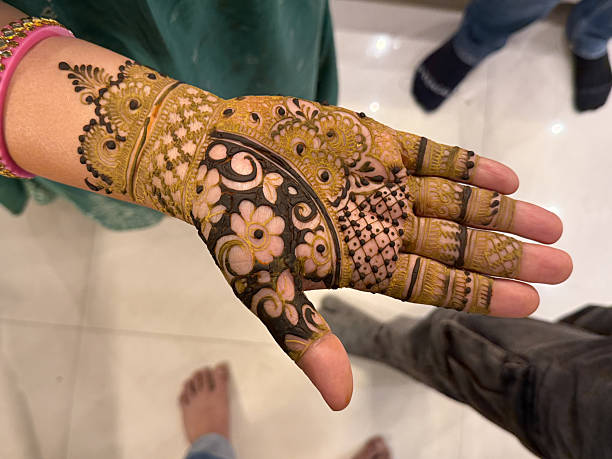
Today, henna art has evolved into many unique styles that combine tradition with contemporary trends. One particularly admired style is the royal front hand mehndi design, which focuses on detailed artwork across the palm and fingers to create a rich and sophisticated look. These designs are popular for weddings, festive occasions, and cultural celebrations because they highlight elegance while maintaining a regal appearance.
The Cultural Heritage of Mehndi
Mehndi has deep cultural roots that stretch back thousands of years. Ancient civilizations used henna leaves to create natural dyes that were applied to the skin as decoration and for cooling purposes. Over time, this practice developed into an artistic tradition that became closely linked with celebrations and ceremonies.
In many South Asian traditions, mehndi plays an important role in wedding rituals. Before the wedding day, families host a mehndi ceremony where the bride’s hands and feet are decorated with intricate patterns. This event is filled with music, dancing, and joyful gatherings that strengthen family bonds and create memorable moments.
Beyond weddings, mehndi is also applied during festivals and community celebrations. People of all ages enjoy decorating their hands with henna as a way to express beauty and creativity.
Popular Styles of Mehndi Designs
Mehndi art has evolved into several styles, each influenced by regional traditions and artistic preferences. These styles differ in pattern density, shape arrangements, and overall design flow.
Indian mehndi designs are known for their extremely detailed patterns. They often cover the entire hand with intricate floral motifs, paisley shapes, and delicate lines. This style is widely used for bridal mehndi because it creates a luxurious and elaborate look.
Arabic mehndi designs emphasize bold strokes and flowing floral patterns. Instead of filling the entire hand, these designs create diagonal trails that move gracefully across the palm and fingers. The empty spaces within the design help highlight the beauty of each motif.
Moroccan mehndi designs are characterized by geometric shapes and symmetrical patterns. Squares, triangles, and straight lines combine to form structured artwork that appears bold and unique.
Essential Elements in Mehndi Patterns
Every mehndi design is built from a collection of artistic elements that form the foundation of henna art. These elements help artists create balanced and visually appealing patterns.
Common design elements include:
- Floral motifs and petals
- Paisley shapes and curved forms
- Mandala patterns in the center of the palm
- Leafy vines and branches
- Fine dots and curved lines
- Finger patterns and decorative borders
- Geometric shapes and symmetry
By combining these elements in different ways, artists can create an endless variety of mehndi designs. A central motif often acts as the focal point, while surrounding elements expand the pattern across the hand.
Mehndi Designs for Different Occasions
The type of mehndi design chosen often depends on the occasion and personal preference. Some designs are highly detailed for special events, while others are simple and suitable for everyday style.
Bridal mehndi designs are the most elaborate and time-consuming. They extend from the fingertips to the forearms and sometimes even include intricate patterns on the feet. These designs symbolize joy, love, and prosperity.
Festival mehndi designs are slightly simpler but still decorative. They often feature floral trails, mandalas, or elegant finger patterns that add beauty without requiring extensive application time.
Casual mehndi designs are minimal and trendy. These patterns may focus on the wrist, fingers, or palm, offering a stylish yet subtle appearance.
Comparison of Popular Mehndi Styles
| Mehndi Style | Key Features | Best Occasion | Complexity |
| Indian Mehndi | Dense floral and paisley patterns | Weddings | High |
| Arabic Mehndi | Bold floral trails with spacing | Festivals | Medium |
| Moroccan Mehndi | Geometric and symmetrical shapes | Cultural events | Medium |
| Minimal Mehndi | Simple and clean motifs | Casual use | Low |
| Bridal Mehndi | Full hand intricate designs | Bridal ceremonies | Very High |
This comparison highlights how different mehndi styles vary in complexity and suitability for different events.
Tips for Applying Mehndi Beautifully
Creating stunning mehndi designs requires patience and practice. Beginners should start by mastering basic strokes before moving on to complex patterns.
Practicing lines, dots, and curves on paper helps develop steady hand control. These simple shapes form the foundation of most mehndi designs and allow artists to experiment with different layouts.
Using fresh henna paste is also important for achieving smooth application and deep color. Consistent pressure on the henna cone ensures clean lines and balanced patterns.
Another helpful tip is to plan the design layout before starting. Visualizing how the pattern will spread across the hand helps maintain symmetry and artistic flow.
How to Make Mehndi Last Longer
Many people want their mehndi stain to appear darker and last longer. Proper preparation and aftercare can significantly influence the final result.
Before applying henna, the skin should be washed thoroughly to remove oils and lotions. Clean skin allows the henna paste to adhere better and produce a deeper stain.
After application, the paste should remain on the skin for several hours. A mixture of lemon juice and sugar can be applied gently to keep the paste moist and enhance color development.
Once the dried paste flakes off, it is best to avoid washing the area immediately. Allowing the stain to oxidize naturally helps deepen the color over time.
Modern Trends in Mehndi Art
Mehndi art continues to evolve with modern fashion and creativity. Today, many artists experiment with innovative patterns that combine traditional elements with contemporary designs.
Minimalist mehndi has become increasingly popular. These designs focus on small motifs placed strategically on the fingers or palm, creating a delicate and elegant look.
Fusion mehndi is another trend where artists blend styles from different cultures. For example, Arabic floral trails may be combined with Indian mandalas or Moroccan geometric patterns.
Decorative techniques such as glitter henna, white henna, and colored henna are also gaining popularity. These modern touches add variety while preserving the beauty of traditional henna art.
Conclusion
Mehndi designs represent a timeless blend of tradition, artistry, and cultural celebration. Whether used for weddings, festivals, or personal style, henna continues to inspire people with its intricate patterns and natural beauty.
From classic Indian designs to modern minimalist trends, mehndi art offers endless possibilities for creativity. Understanding different styles, elements, and techniques allows anyone to appreciate the elegance of this ancient tradition.
As new trends continue to emerge, mehndi will remain a beloved form of artistic expression that celebrates culture, beauty, and creativity for generations to come.